Date: February 5, 2026
As cities grow, older buildings naturally fall out of repair. Instead of tearing down these neglected buildings, consider reusing and/or renovating them.
ArchDaily offers a complete guide to renovating buildings with several key suggestions to consider before tackling a renovation project.
Why are renovation and adaptive reuse important?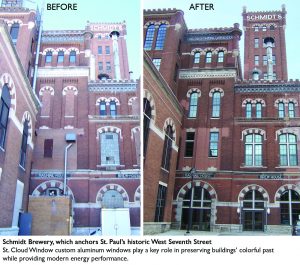
Renovation preserves the history, identity, and culture of urban buildings. Historic buildings add flavor, and renovation is about preserving the beautiful exteriors but improving the interiors for modern use. Renovation contributes to sustainability – as noted in previous posts, renovating a building creates considerably less carbon output than new construction.
What to know before tackling a renovation project?
The first step is always to analyze the existing building and its history to decide what will be preserved and what will be destroyed. Since renovation serves to reuse and elevate, it’s important to keep any historical elements that can carry through into the new design.
How to approach these projects?
- Intervention level for the building needs to be determined.
- Adaptive reuse through repair, alterations, and additions, while still maintaining the features of the building’s historic, cultural, and architectural value, needs to be evaluated.
- Preservation guidelines and recommendations on handling each material (masonry, wood, metals) and building features (roofs, windows, entrances, structural systems, mechanical systems, interior features, and finishes) should be followed.
- Remaining materials and elements should be adequately protected and maintained.
- Chemical and physical treatments, if needed, should be done in the gentlest way possible, avoiding treatments that could damage any historic or particular feature of the building.
- Structural systems should be correctly identified, retained, and preserved.
- Climate conditioning should be addressed to guarantee sustainable climatic comfort while always keeping the building's architectural expression.
- New elements introduced into the renovated building setting should be compatible, but it is also highly recommended that it is differentiated from the original construction itself.
The final reward is keeping part of history, but adding contemporary value with a smaller carbon footprint than new construction.
View St. Cloud Window’s gallery of projects to see how we can help preserve historic buildings with high-performance historic replica windows.
The Latest Window Industry News
Blogs, insights, and more.
Ever wonder why STC ratings for doors are important?
Simply stated noise impacts our health. Street noise, people, electronics - everywhere we go there is noise and it can...

Join St. Cloud Window at the AIA Minnesota 2018 Conference
St. Cloud Window is exhibiting in booth #530 at the A’18 MN – The Minnesota Conference on Architecture, Nov 13-16, at...