
How Acoustic Doors Improve Health and Wellness
04/27/2021
Noise is an issue that touches everyone. Whether planning a business meeting, event, overnight stay, or daily workload, we are conscious of selecting a location where we can focus and hear one another. Soundproofing and acoustical design once viewed as a luxury are now becoming increasingly important and high on the list of priorities for commercial buildings and workplaces.
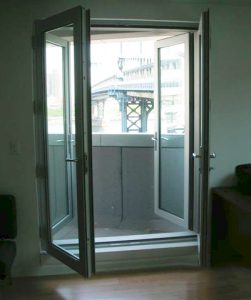
The level of noise within a space plays a key part in overall wellness.
Excessive noise elevates levels of stress hormones and numerous studies have linked unwanted ambient sound to increased anxiety, depression, high blood pressure, heart disease, and stroke – even in small amounts. Research shows that unwanted noise impacts workers’ health and productivity, which translates to the bottom line.
Acoustic designs and acoustic products, including the doors, can improve the quality of life, by reducing the constant bombardment of sounds, whether it is keyboard clicking, calls with clients, or loud outdoor urban noise.
To create quieter indoor spaces, builders, architects, and designers can opt for acoustically rated products.
For doors, solid-core doors are fairly good at blocking sound, but interior doors are often hollow-core and thinner and do not block sound as well. Acoustically-rated doors are often specified in loud environments like manufacturing facilities and music studios; but are becoming increasingly important in urban housing, office buildings, hotels, schools, and retail applications.
When evaluating acoustic doors consider:
- The entire door system needs to be tested. Sound is like water; if there is somewhere for it to go, the sound will find it. The full system includes the door in combination with properly installed frame gaskets, door sweeps, and frames.
- Understand the products on the market. Not all products are alike. STC and OITC sound transmission ratings vary by manufacturer and product line.
- Always verify that acoustic doors have been laboratory tested per the most recent version of ASTM E-90, Standard Method for Laboratory Measurement of Airborne Sound Transmission.
With increased awareness of workplace wellness and a greater understanding of how noise plays into physical and mental health, noise levels and soundproofing should not be overlooked when planning commercial spaces.
Quieter indoor spaces are more than a ‘luxury’ of comfort; they are an investment in the health and productivity of employees, professionals, and patrons, and ultimately the bottom line. Our acoustic window experts at St. Cloud Window can help you find the best window for your needs – request a quote today for more information.