
Can Windows Lower Energy Consumption?
01/16/2024
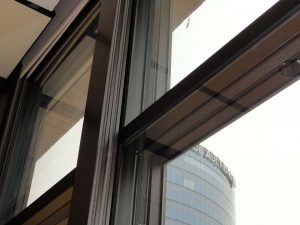 Typically, windows contribute to approximately 25-30% of a building’s heat loss and gain, underscoring the importance of incorporating high-performance, energy-efficient windows into project designs.
Glass
Opting for energy-efficient windows featuring double- or triple-pane glass is essential to minimize heat transfer through the glass. And adding inert gas, such as argon or krypton, between the panes provides additional insulation.
Low-emissivity film
Low-emissivity film is an effective choice for reducing a window’s solar heat gain coefficient. These coatings, consisting of transparent, ultra-thin film layers with metallic particles, reflect long-wave infrared energy while maintaining visibility.
Frame Material
The window frames are equally important to reduce temperature transfer from one side to the other. Various framing materials, such as fiberglass, vinyl, aluminum, wood, and composites, are available. The choice of framing material can impact energy efficiency; for instance, vinyl provides superior insulation compared to wood, while aluminum necessitates thermal breaks to prevent undesirable heat transfer and reduce energy consumption.
High-performing, energy-efficient windows not only lower energy consumption but also contribute to reducing the carbon footprint.